
about
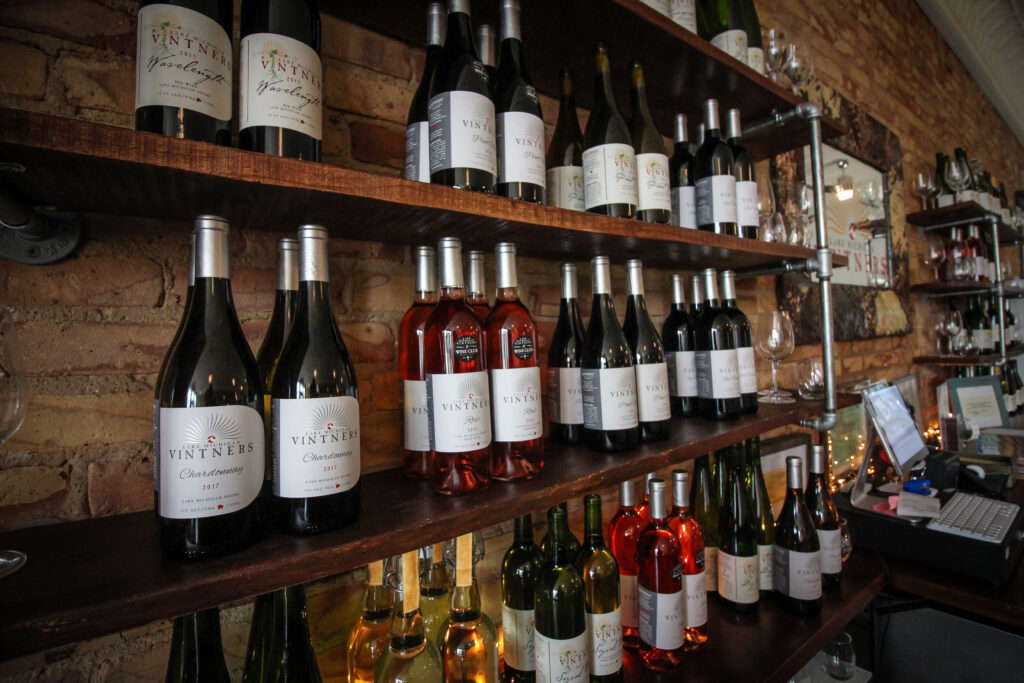
Viticulture and wine making involve cultivating grapes and producing wine, requiring expertise in agriculture, chemistry, and sensory evaluation. Professionals in this field manage vineyard operations (planting, pruning, pest control) and oversee fermentation, aging, and bottling processes. They work in vineyards, wineries, labs, and sales environments, often collaborating with agronomists, chemists, and marketers. The industry is vital to global agriculture, tourism, and trade, with premium wines driving economic growth in regions like Napa Valley, Bordeaux, and Tuscany. Climate change and sustainability practices are increasingly shaping modern viticulture. Skilled winemakers combine tradition and innovation to meet consumer demand for diverse, high-quality wines.
day in the life
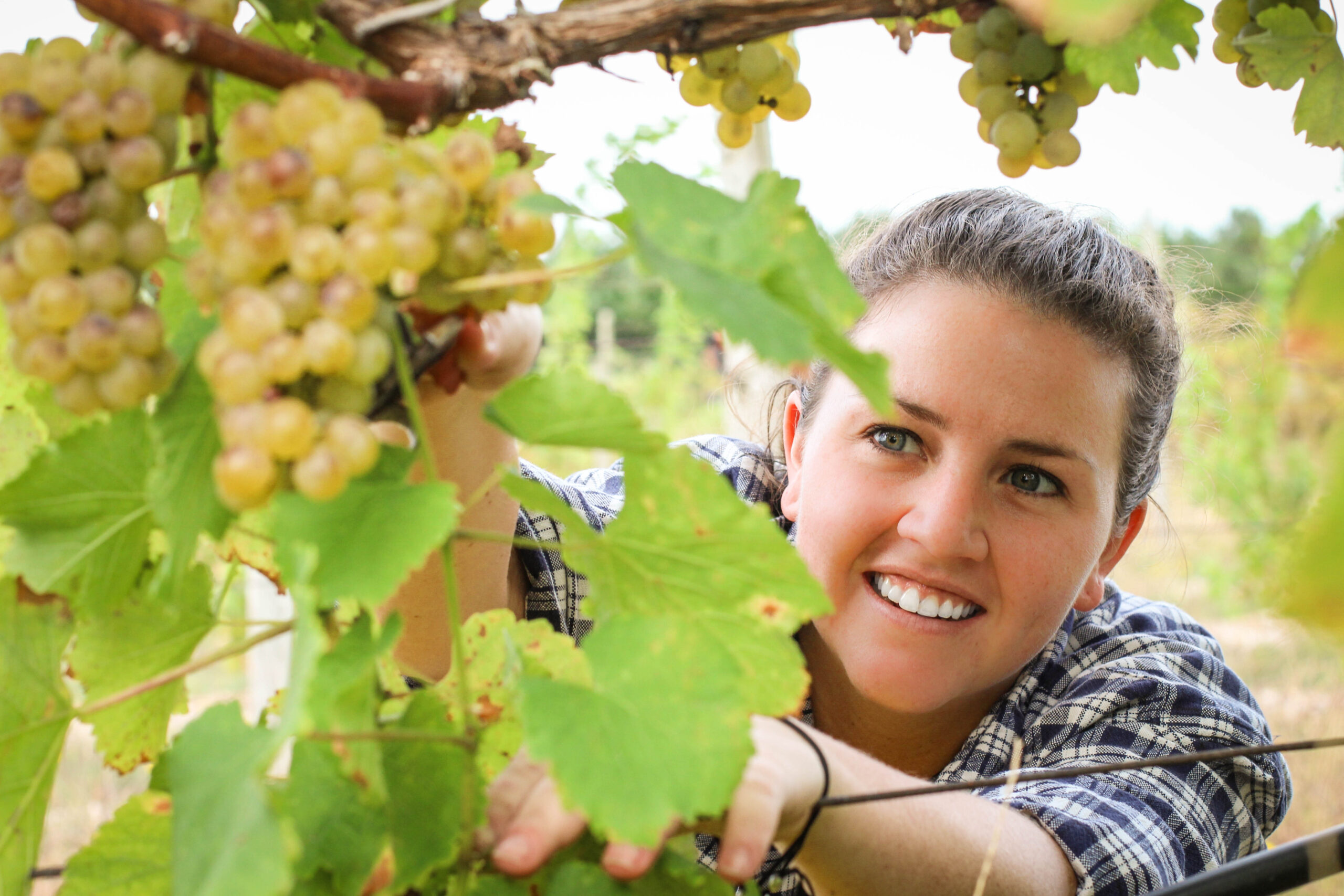
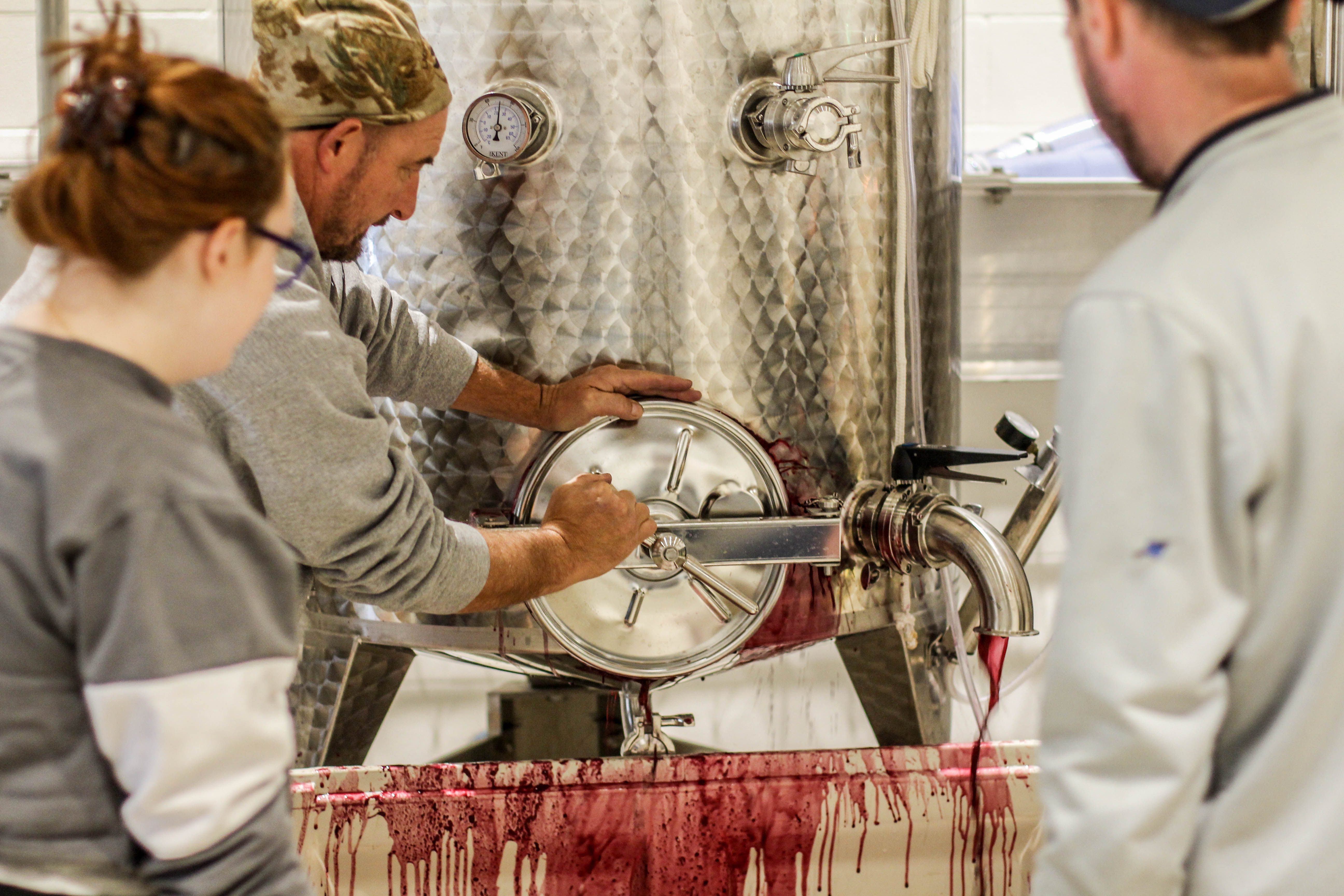
A typical day in viticulture involves monitoring vine health, testing soil, and managing irrigation, pruning, or harvesting—often outdoors. Winemakers oversee fermentation, check wine samples for quality, and adjust blends, working in cellars or labs with barrels and stainless-steel tanks. Challenges include pest control, adapting to climate shifts, and maintaining consistency across vintages. Professionals interact with vineyard crews, suppliers, sommeliers, and sales teams, balancing hands-on labor with technical precision. The work blends science, artistry, and physical stamina, with seasonal peaks during harvest and bottling. Success requires problem-solving, patience, and a passion for both agriculture and craftsmanship.